

10 Possible Causes of a “Blown Fuse”
Blown Fuse in Your Breaker Box? 10 Possible Causes
If you think you have a blown fuse in your breaker box, first determine whether your home has a fuse box or a circuit breaker panel. A blown fuse must be replaced, while a circuit breaker trips and can usually be reset. Repeated blown fuses or tripped breakers can indicate an overloaded circuit, short circuit, ground fault, faulty appliance, damaged wiring, or electrical panel problem.
Understanding why the power went out is important. A blown fuse or tripped breaker is often a warning that something caused the electrical system’s safety device to interrupt the flow of electricity.
Below are 10 common reasons this happens and what you should do about them.
What Causes a Blown Fuse in a Breaker Box?
A blown fuse in a breaker box is commonly caused by an overloaded circuit, short circuit, ground fault, faulty electrical device, damaged wiring, or a problem with the electrical panel.
However, if your home has a modern breaker panel, you probably don’t have a blown fuse at all. What you are experiencing is more likely a tripped circuit breaker.
Circuit breakers and fuses perform similar protective functions, but they work differently. Determining which type of electrical panel you have is the first step toward understanding the problem.
Blown Fuse vs. Tripped Circuit Breaker: What’s the Difference?
People often use the term “blown fuse” whenever electricity unexpectedly shuts off. However, a blown fuse and a tripped circuit breaker are not the same thing.
A fuse contains a metal element that melts when excessive electrical current passes through it. Once the fuse blows, it must be replaced with the correct type and rating.
A circuit breaker uses an internal switching mechanism that trips when it detects an unsafe electrical condition. After the underlying problem has been addressed, the breaker can usually be reset rather than replaced.
Many older homes were originally equipped with fuse boxes, while modern electrical panels generally use circuit breakers.
| Problem | What Happens | What You May Notice | What Happens Next |
|---|---|---|---|
| Blown Fuse | The metal element inside the fuse melts. | The affected circuit loses power. | The fuse must be replaced with the correct type and rating. |
| Tripped Circuit Breaker | The breaker trips and interrupts power. | The breaker may sit between the ON and OFF positions. | The breaker can usually be reset after the cause is addressed. |
| Faulty Circuit Breaker | The breaker may fail or repeatedly trip. | Repeated trips, loss of power, unusual heat, or other problems may occur. | A licensed electrician should inspect the breaker and circuit. |
How Can You Tell Which One You Have?
Look at your electrical panel.
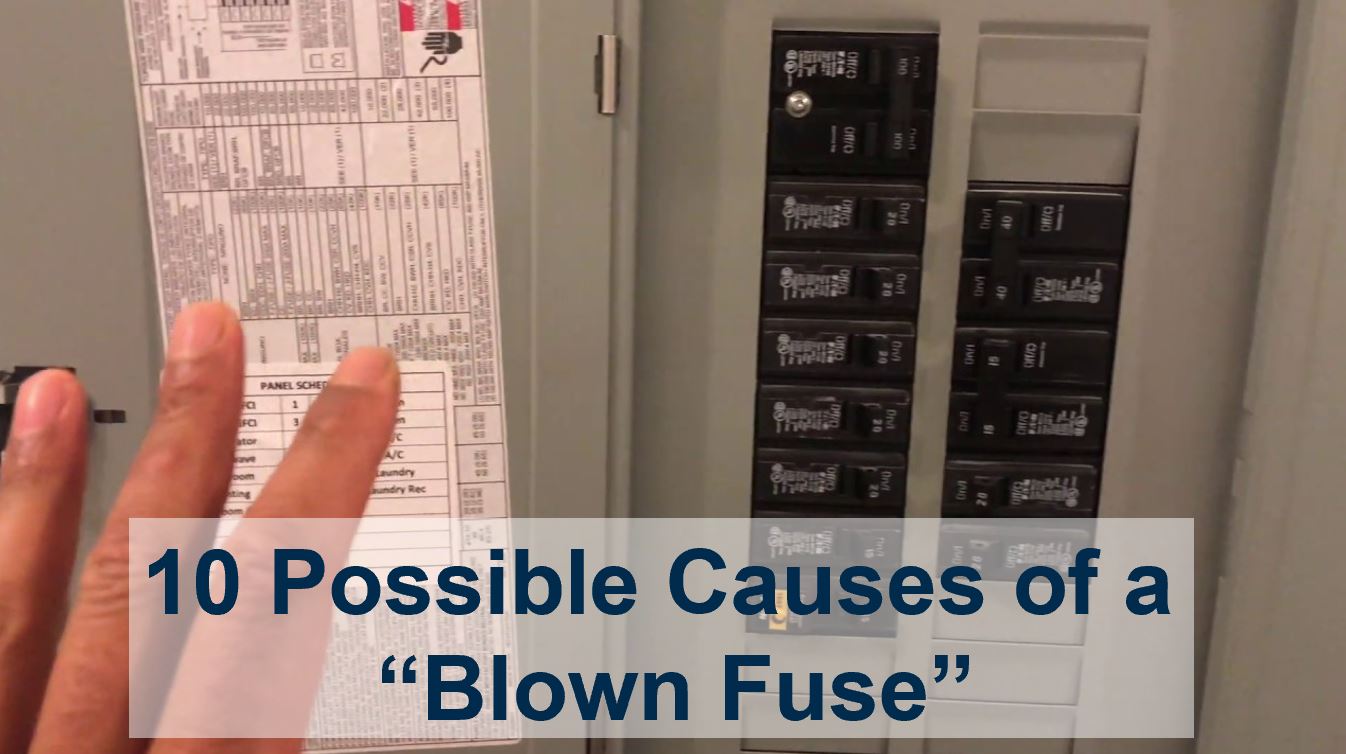
If you see rows of switches labeled for different circuits in your home, you have a circuit breaker panel.
If the panel contains screw-in or cartridge-style fuses, you have a fuse box.
If you’re uncertain about the type or condition of your electrical panel, a licensed electrician can inspect it for you.
Can You Have a Blown Fuse in a Circuit Breaker?
No. Technically, you cannot have a blown fuse in a circuit breaker because fuses and circuit breakers are different electrical safety devices. A fuse blows and must be replaced, while a circuit breaker trips and can usually be reset after the underlying electrical problem has been identified.
If you’re searching for a blown fuse in a circuit breaker, you’re probably experiencing a tripped or faulty circuit breaker.
Check your electrical panel for a breaker that has moved to the OFF position or is positioned between ON and OFF. If you know it is safe to do so, the breaker can typically be reset by moving it fully to OFF and then back to ON.
If the breaker immediately trips again, don’t continue resetting it. Repeated tripping can indicate an electrical problem that needs professional attention.
10 Common Causes of a Blown Fuse or Tripped Circuit Breaker
Some of the most common causes of blown fuses and tripped circuit breakers include:
- An overloaded circuit
- A short circuit
- A ground fault
- An arc fault
- A faulty or tripped circuit breaker
- An incorrect or defective fuse
- Damaged or outdated electrical outlets
- Damaged electrical wiring
- An outdated fuse box or electrical service
- An electrical system that needs to be upgraded
Here’s a closer look at each potential cause.
Cause 1: An Overloaded Circuit
An overloaded circuit occurs when electrical devices connected to a circuit demand more electricity than the circuit can safely handle.
This can happen when too many appliances or devices are connected to the same circuit, particularly when several high-wattage appliances are operating simultaneously.
For example, plugging multiple power-hungry devices into the same power strip or circuit may cause the breaker to trip or a fuse to blow.
What Should You Do?
Unplug some of the devices connected to the affected circuit and distribute your electrical demand across other circuits when appropriate.
If the same circuit frequently becomes overloaded during normal household use, have an electrician evaluate whether additional circuits or an electrical upgrade may be appropriate.
Cause 2: A Short Circuit
A short circuit occurs when electrical current takes an unintended path with very little resistance. This can cause a sudden increase in electrical current, which should cause the fuse or circuit breaker to interrupt power.
Short circuits can result from damaged wiring, faulty electrical devices, loose connections, or other electrical problems.
What Should You Do?
If you suspect a particular appliance or device caused the problem, unplug it.
If you notice burning odors, scorch marks, melted components, sparks, or other signs of electrical damage, don’t simply reset the breaker. Contact an emergency electrician in Philadelphia to inspect the problem before using the affected circuit again.
If the breaker trips again after being reset, professional troubleshooting may be necessary to locate the short circuit.
Cause 3: A Ground Fault
A ground fault occurs when electrical current unintentionally travels to ground rather than following its intended circuit.
Ground faults are especially concerning in areas where electricity and moisture may be present together, which is one reason GFCI protection is commonly used in areas such as kitchens and bathrooms.
What Should You Do?
If a breaker or GFCI repeatedly trips, there may be an electrical problem with the circuit, outlet, wiring, appliance, or connected device.
Don’t repeatedly reset the circuit without determining what is causing the problem. An electrician can test the affected components and identify the source of the fault.
Cause 4: An Arc Fault
An arc fault occurs when electricity jumps between electrical connections instead of traveling normally through the circuit.
Loose connections, damaged wires, deteriorating insulation, and other wiring problems can potentially create arcing.
Modern homes may have arc-fault circuit interrupters (AFCIs) designed to detect certain dangerous arcing conditions and shut off the circuit.
What Should You Do?
A repeatedly tripping AFCI shouldn’t automatically be assumed to be defective. The breaker may be responding to an electrical condition somewhere on the circuit.
Have repeated AFCI trips investigated, particularly if you also notice buzzing, burning odors, damaged outlets, or other unusual electrical symptoms.
Cause 5: A Tripped or Faulty Circuit Breaker
What homeowners sometimes describe as a blown fuse in a circuit breaker is usually a tripped breaker.
Look at your electrical panel. A tripped breaker may be in the OFF position or positioned between ON and OFF.
A breaker can trip because it detected an overload, short circuit, ground fault, or another potentially unsafe electrical condition. In some situations, the breaker itself can also become worn or defective.
What Should You Do?
Before resetting the breaker, consider what was happening when it tripped. If several appliances were operating on the same circuit, an overload may have caused it.
If the breaker continues to trip, feels unusually warm, won’t stay reset, or appears damaged, have the circuit inspected.
A breaker that repeatedly trips should not simply be reset over and over again. The underlying cause needs to be identified.
If the breaker itself is the problem, professional circuit breaker repair or replacement may be necessary.
Cause 6: The Wrong Type of Fuse Was Installed
Fuses come in different types and ratings. Installing a fuse that isn’t appropriate for the circuit can interfere with the electrical system’s intended protection.
Never assume that a fuse is safe to use simply because it physically fits into the fuse box.
What Should You Do?
If you have an older fuse box and aren’t certain that the correct fuses have been installed, have the electrical system inspected by a qualified electrician.
Never substitute a higher-rated fuse in an attempt to prevent a fuse from blowing. The fuse rating is part of the circuit’s electrical protection.
Older fuse panels may also be a sign that the home’s electrical system should be evaluated for modernization.
Cause 7: Damaged or Outdated Electrical Outlets
Sometimes the fuse or circuit breaker isn’t the actual source of the problem.
A damaged receptacle, loose electrical connection, deteriorated component, or other outlet problem can create an electrical fault that causes the circuit breaker to trip or fuse to blow.
Warning signs can include:
- Discoloration around an outlet
- Burning odors
- Buzzing or crackling sounds
- Loose outlets or plugs
- Unusual warmth
- Sparking
- Intermittent power
What Should You Do?
Stop using an outlet that appears damaged or shows signs of overheating.
Have the outlet and associated circuit inspected and repaired before using it again.
Cause 8: Damaged Electrical Wiring
Electrical wiring is often hidden behind walls, ceilings, and other finished surfaces, which means damage isn’t always easy to see.
Damaged insulation, loose connections, deterioration, pests, improper previous electrical work, and other wiring problems can cause breakers to trip or fuses to blow.
Possible warning signs of wiring problems include:
- Breakers that repeatedly trip
- Flickering or dimming lights
- Buzzing or crackling sounds
- Burning or unusual odors
- Discoloration or scorch marks
- Warm outlets or switches
- Visible damaged or frayed wiring
What Should You Do?
Don’t attempt to troubleshoot concealed household wiring unless you’re qualified to perform electrical work.
If you suspect damaged wiring, have a licensed electrician diagnose the circuit and make the appropriate repairs.
Cause 9: Your Home Still Has an Older Fuse Box
If your home still uses an older fuse panel, the electrical system may have been designed when households used considerably fewer electrical devices.
Today’s homes can include central air conditioning, electric ranges, dryers, computers, entertainment systems, kitchen appliances, EV chargers, and numerous other electrical loads.
An older electrical system may struggle to accommodate modern electrical demands.
What Should You Do?
Having a fuse box doesn’t automatically tell you everything about the condition of the electrical system, but it is a good reason to have the system evaluated—particularly if you’re frequently experiencing blown fuses or other electrical problems.
An electrician can determine the capacity and condition of the existing service and whether an electrical panel or service upgrade should be considered.
Cause 10: Your Electrical Service Needs to Be Updated
Repeated blown fuses or tripped breakers throughout a home can sometimes indicate that the electrical system no longer adequately supports the property’s electrical needs.
Older homes may have lower-capacity electrical service that wasn’t designed for the number and type of electrical devices commonly used today.
What Should You Do?
Have an electrician evaluate the electrical service, panel, circuits, and current electrical demand.
Depending on the condition and capacity of the existing system, the solution could involve repairing an individual circuit, adding circuits, replacing an outdated panel, or upgrading the electrical service.
What Should You Do If a Fuse Keeps Blowing or a Breaker Keeps Tripping?
A fuse or breaker that operates once because of an obvious temporary overload may not indicate a major electrical problem. However, repeated blown fuses or tripped breakers should not be ignored.
If the same problem keeps occurring:
- Unplug unnecessary devices from the affected circuit.
- Check whether a particular appliance appears to trigger the problem.
- Look for obvious warning signs such as burning odors, unusual heat, discoloration, buzzing, or visible damage.
- Don’t repeatedly replace fuses or reset a breaker that immediately fails again.
- Contact a licensed electrician if you cannot identify the cause or if the problem continues.
If you see sparks, smoke, scorching, or other indications of an electrical emergency, avoid touching the affected equipment and contact a qualified electrician promptly.
Frequently Asked Questions About Blown Fuses and Circuit Breakers
How do I know if I have a blown fuse in my breaker box?
First determine whether your electrical panel contains fuses or circuit breakers. If you have a modern breaker panel with switches, a loss of power is more likely caused by a tripped circuit breaker than a blown fuse. An actual fuse box contains individual fuses that must be replaced when they blow.
Is a blown fuse the same as a tripped circuit breaker?
No. A blown fuse and a tripped circuit breaker are not the same thing. A fuse contains a metal element that melts when excessive current flows through it and must be replaced. A circuit breaker trips to interrupt the electrical current and can usually be reset after the underlying problem has been identified.
Can a circuit breaker have a blown fuse?
No. A circuit breaker does not contain a replaceable fuse that “blows.” If you have a circuit breaker panel and lose power to a circuit, you may have a tripped or faulty breaker rather than a blown fuse.
Why does my circuit breaker keep tripping?
Repeated circuit breaker trips can be caused by overloaded circuits, short circuits, ground faults, arc faults, faulty appliances, damaged wiring, or a problem with the breaker itself. If the same breaker repeatedly trips, have the circuit inspected rather than continuing to reset it.
Can I reset a tripped circuit breaker?
A circuit breaker can generally be reset after the cause of the trip has been addressed and there are no signs of electrical damage. A tripped breaker may need to be moved fully to the OFF position before switching it back ON. If it immediately trips again, stop resetting it and have the circuit inspected.
Can an electrician replace just one circuit breaker?
Yes. If the electrical panel is otherwise in good condition and the problem is isolated to a faulty breaker, an electrician may be able to replace the individual breaker. If there are broader problems with the panel or electrical service, additional repairs or an upgrade may be recommended.
When should I call an electrician for a blown fuse or tripped breaker?
Call an electrician when a fuse repeatedly blows, a breaker repeatedly trips, a breaker won’t reset, or you notice burning odors, excessive heat, buzzing, sparks, scorch marks, or other signs of electrical damage. You should also seek professional help if you’re unable to determine why the electrical problem keeps occurring.
Need Help With a Blown Fuse or Circuit Breaker Problem?
If you’re experiencing repeated blown fuses, tripped circuit breakers, or other electrical panel problems, Linc Electric can help identify the cause and recommend the appropriate repair.
Linc Electric provides residential and commercial electrical services throughout Philadelphia, Bucks, Montgomery, Delaware, and Chester counties, including circuit breaker troubleshooting, electrical panel repairs, breaker replacement, and electrical service upgrades.
If a faulty breaker is causing the problem, learn more about our circuit breaker repair and replacement services or contact Linc Electric to schedule electrical service.